
Time together, measured.
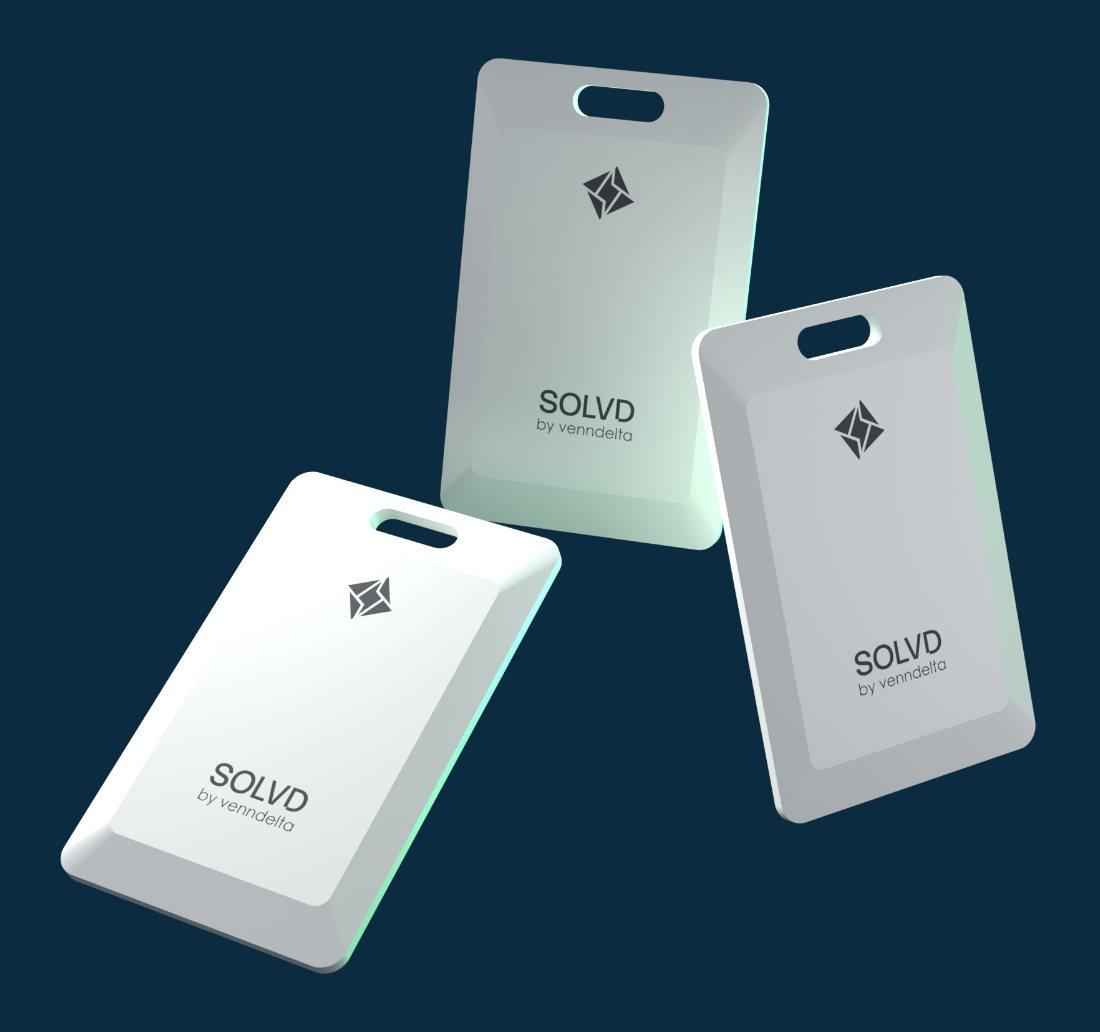
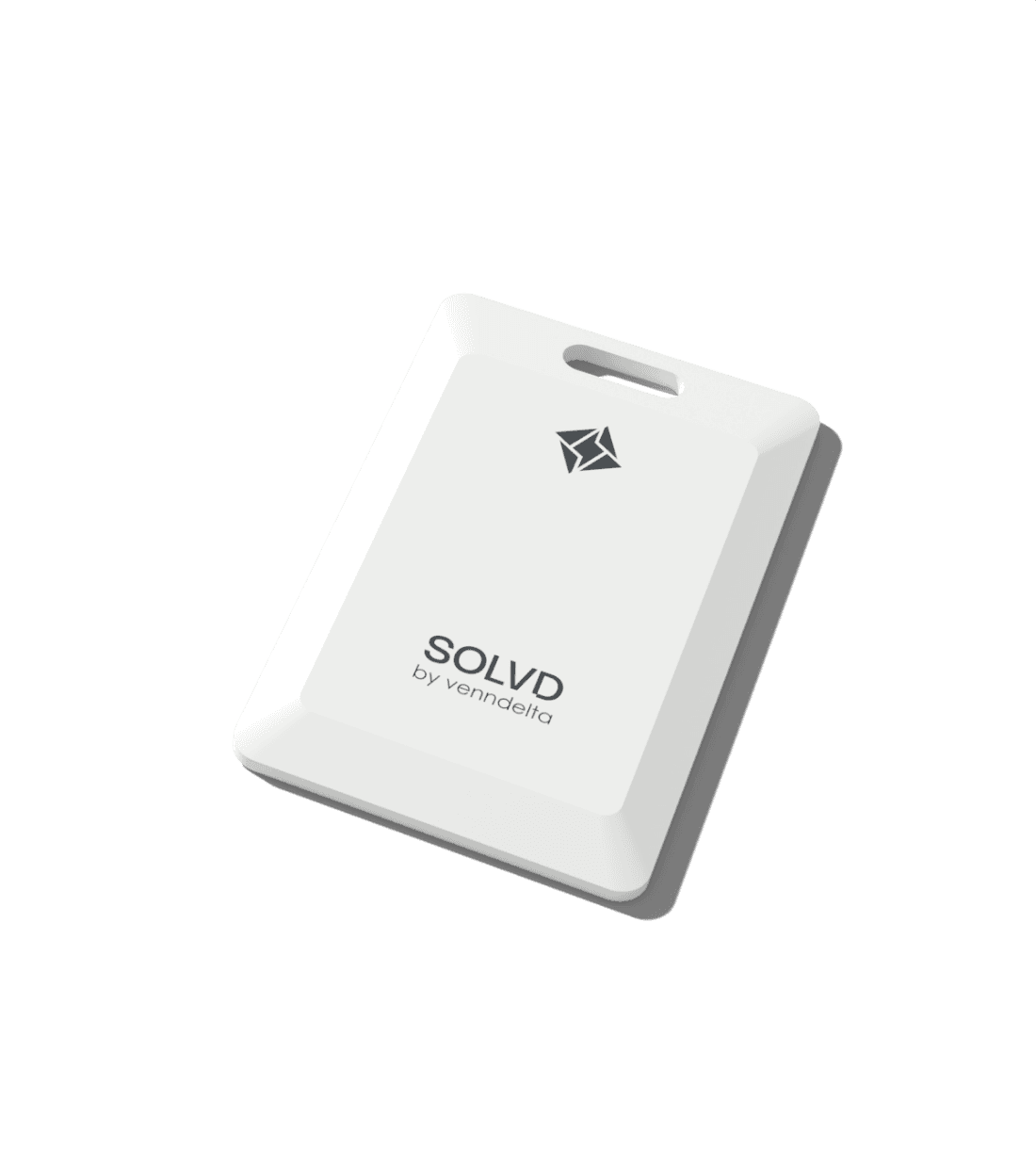
SOLVD uses small wearable cards to measure the time people spend together: who, how often and for how long. Private by design, with no cameras and no microphones.
Bluetooth® SIG member
Why it matters
Where time with people is the work, it's rarely measured.
Rosters and timesheets show that time was paid for. They don’t show who worked with whom, or where. SOLVD can measure the time that people are together or in a specific location, so organisations can answer vital operational and compliance questions with evidence.
- 01How much time did each person get this week?
- 02Which days, shifts or places fall short?
- 03Is time spread evenly, or does it pool around a few people?
- 04Did a change to how we work change the time people spend together?
Have a question like these in your organisation? Tell us about it.
How it works
Cards and a gateway across one platform.
Data residency
Your data lives where you do.
Each organisation's data is stored, processed and backed up in its own country: on the gateway at each site and in secure cloud hosting onshore. Where a country has no suitable hosting, we use the nearest available location and agree it with you first. For Australian organisations, data stays in Australia and nowhere else.
Want to know more? Ask us
Features
Designed for privacy
- Device IDs only. Organisations link cards to people in their own systems; venndelta never sees who is who.
- Pseudonymous by default: people appear by number.
- No leaderboards. SOLVD is not built to rank individuals.
- No cameras and no microphones.
Limits
SOLVD caveats
- Proximity is not proof of care/service.
- Proximity is estimated from signal strength, not measured distance.
- Time without a card, such as a card left in a drawer, isn't counted. SOLVD reports these gaps rather than hiding them.
Get in touch
Want to see what SOLVD could show you?
Tell us where time together matters in your work, and we'll take you through the detail.